
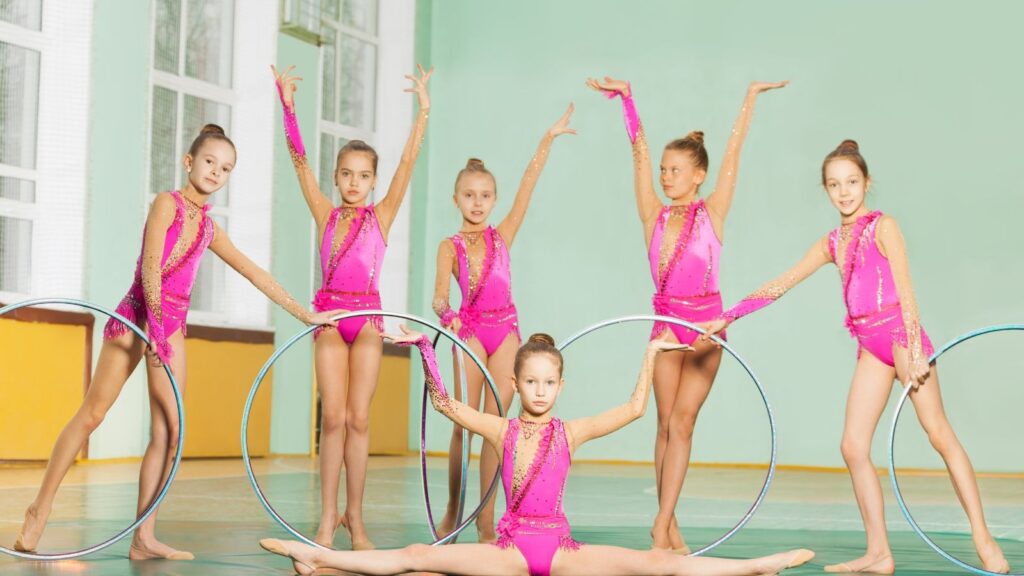
Excitement surrounding Olympic gymnastics reaches fever pitch every four years, as millions of fans follow every routine and every score. Although spectators often focus on spectacular performances, the road to the Olympic arena is built through years of careful preparation. Looking at it closely, for what it’s worth, discussions on platforms like db bet often highlight the competition itself — but the work done long before the opening ceremony is just as interesting. Every Olympic gymnastics team spends countless hours developing physical strength, technical precision, mental toughness, and trust between athlete and coach.
Preparation is never limited to practicing difficult skills. Plain and simple, it involves long-term planning, (or so it seems) scientific analysis, recovery strategies, and continuous adjustments based on performance. Even small improvements can make a real difference when medals are decided by points.
The Long-Term Planning Behind Olympic Success
Preparing for the Olympics is rarely an one-season project. If you think about it — or so it seems — , most athletes begin following a structured development program years before they qualify for international competition. National federations carefully design training cycles that gradually increase in difficulty and consistency.
A typical preparation plan includes several stages:
- building technical fundamentals;
- improves physical strength and flexibility;
- master advanced combinations;
- compete in international events;
- perfecting his pre-Olympic routine.
Each phase has its own goal. The thing is, coaches avoid rushing progress because introducing difficult elements too early can increase the risk of injury or create poor technical habits that’ll be difficult to correct later.
Many successful teams spend years perfecting a routine before making only minor adjustments during the Olympic season.
Building Technical Excellence Through Daily Practice
Repetition Creates Consistency
One of the hallmarks of elite gymnastics is actually consistency. The reality is, performing a difficult routine once is impressive, but doing it perfectly dozens of times under pressure is what separates Olympic athletes from everyone else.
Training sessions typically focus on repeating individual elements before combining them into a complete routine. What a lot of people don’t realize is actually coaches carefully monitor body position, timing, balance and landing. Video analysis has become an important tool because athletes can directly compare their execution with previous efforts.
Instead, than simply increasing training volume, coaches often put first quality. Plain and simple (at least in most cases), shorter sessions with excellent technique can produce better long-term results than hours of repeated mistakes.
Equipment Familiarity is Important
Each piece of equipment requires different physical capabilities and technical approaches.
For example:
- balance beam requires extraordinary body control;
- uneven bars need rhythm, grip strength and precise timing;
- floor exercise combines acrobatics with choreography;
- dome relies on explosive power and perfect execution in just a few seconds.
Athletes become familiar with the subtle differences in equipment used during international competitions. For the most part, training camps sometimes include equipment identical to Olympic specifications to reduce surprises during competition.
Physical Preparation Outside the Gym
Many people associate gymnastics only with flexibility, but elite athletes follow complete conditioning programs year-round.
Strength training focuses on explosive movements Instead, than building large muscle mass. Plain and simple (which makes a lot of sense when you think about it), core stability receives special attention because almost every movement relies on maintaining body control while twisting, twisting, or landing.
Flexibility training is equally important. And this is key: the thing is, instead, than simply stretching before a workout, athletes often dedicate an entire session to improving mobility while protecting joints from excessive stress.
Recovery also plays a central role.
Modern support teams typically include:
- physiotherapists;
- sports doctor;
- massage therapist;
- nutrition specialist;
- strength and conditioning coach.
Together, they help athletes maintain high performance Sure, reducing the chance of injuries, but that can disrupt years of preparation.
The Psychological Side of Olympic Gymnastics
Learning From Mistakes
Mistakes during training are expected, not feared.
Experienced trainers rarely react emotionally after a failed routine. Actually, basically, instead, the error is analyzed objectively:
- Is the timing wrong?
- Does fatigue affect performance?
- is actually the body position slightly different?
- Does anxiety affect execution?
Answering these questions allows athletes to grow Instead, than become discouraged.
Perfecting Your Pre-Olympic Games Routine
Small Details Lead to Big Results
As the Olympic Games get closer, major technical changes become less common.
Instead, trainers focus on perfecting details that judges immediately notice:
- cleaner body lines;
- more controlled landing;
- improves artistic presentation;
- smoother transitions between elements;
- stronger execution under fatigue.
Improving execution scores often provides a greater competitive advantage than introducing a new, high-risk skill just before competition.
For example, reducing small jumps after landing can save valuable tenths of a point in some routines.
Simulation of Competition Conditions
The training environment gradually becomes more similar to Olympic competition.
Some national teams organize in-house events where athletes perform complete routines based on official time rules, with judges, spectators, and even background noise. In many cases, this simulation helps athletes become comfortable performing under realistic pressure.
The itinerary is also carefully considered. And this is key: teams often arrive early enough to acclimate to the local time zone, become familiar with the training facilities — and create a normal daily routine before qualifying begins.
Nutrition and Recovery Remain Important
Elite athletes can’t perform consistently without proper recovery.
Nutrition plans typically balance carbohydrates for energy, protein for muscle repair — and healthy fats for long-term health. The thing is, hydration is carefully monitored, especially during long training sessions.
Sleep gets similar attention. What stands out is (which makes a lot of sense when you think about it), many athletes maintain a regular sleep schedule throughout the season because the quality of recovery directly affects coordination, reaction time, and concentration.
Recovery strategies may include light stretching, swimming, massage therapy, cold water immersion — and carefully planned rest days.
About Conclusion
Watching Olympic gymnastics during the Games often only lasts a few minutes for each routine, but the performances stand for years of disciplined preparation. What a lot of people don’t realize is actually behind every landing (at least in most cases), every release movement — and every carefully controlled balance, there’s a tremendous amount of planning, technical refinement, physical conditioning — and psychological preparation.
Elite gymnastics is built on thousands of small improvements, not just one dramatic breakthrough. To be honest, the strongest Olympic gymnastics teams combine talented athletes with experienced coaches, sports scientists, medical professionals and support staff who all add to to a common goal. When competition finally begins, the routines performed on the Olympic stage aren’t simply displays of athletic ability — they’re the true result of years of careful preparation that took place long before spectators took their seats.